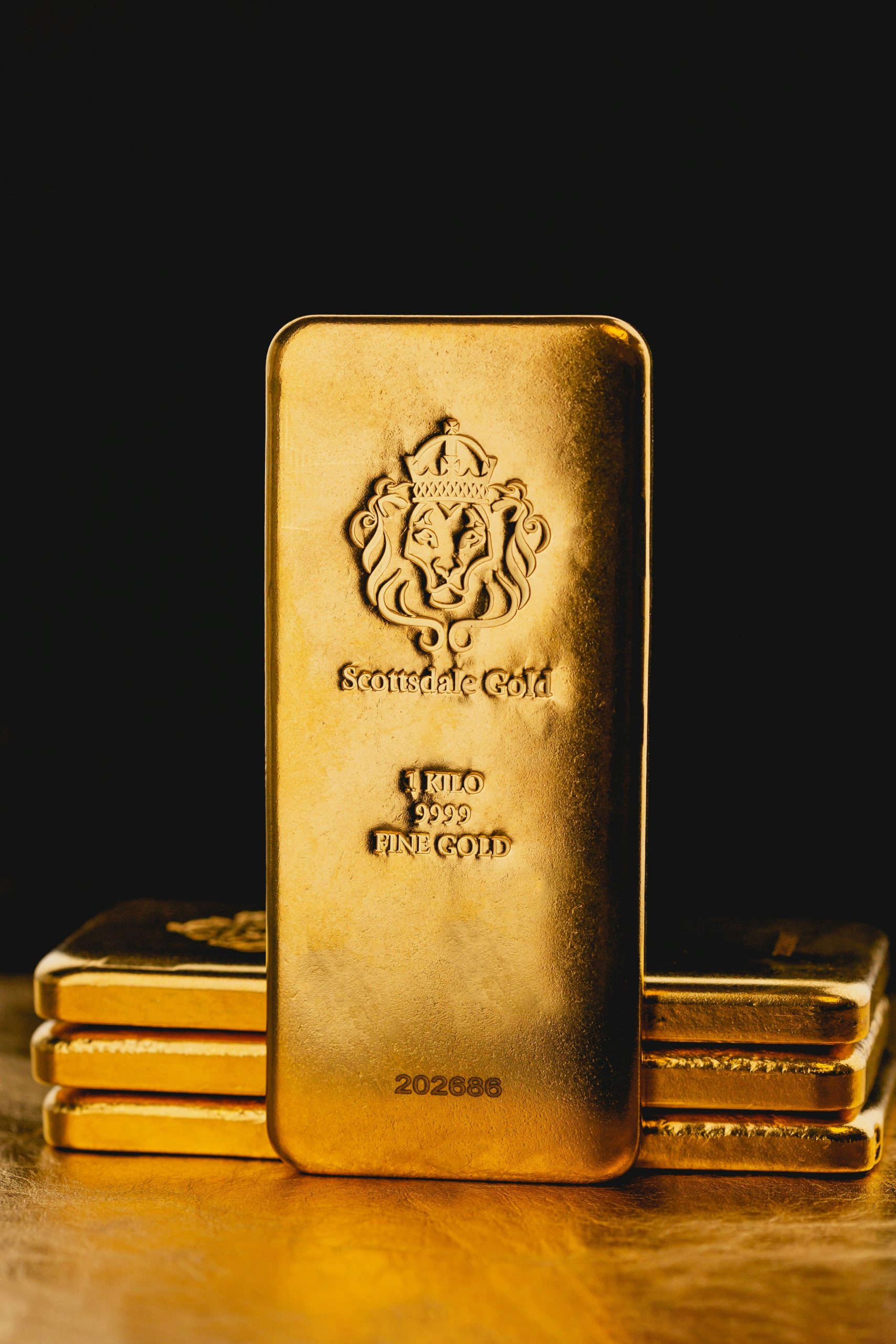

In a world where financial markets move at incredible speed and economic news can shift investor sentiment in minutes, one asset has continued to hold its reputation for stability: gold. For centuries, gold has been more than just a precious metal. It has been a symbol of wealth, a store of value, and a protective shield against uncertainty. Even today, when digital currencies, high-tech stocks, and complex financial instruments dominate headlines, gold remains one of the most trusted safe-haven assets for investors.
Understanding why gold holds this status requires exploring both its historical significance and its modern-day performance. As global markets face inflation, geopolitical tensions, currency fluctuations, and recession fears, many investors turn to gold as a reliable anchor. While its price moves like any other asset, its long-term behavior and unique characteristics make it stand out during periods of instability.
A History Rooted in Stability
Gold’s role as a safe-haven asset is not a modern concept. For thousands of years, civilizations have treasured it for its rarity, beauty, and durability. Unlike paper currencies, which can lose value due to mismanagement or political shifts, gold has consistently maintained purchasing power across generations.
Throughout history, during wars, economic collapses, or market crashes, gold has served as a form of protection. When confidence in governments or currencies weakens, people turn to something tangible—something that cannot be printed or artificially manufactured. This deep historical trust plays a major role in why gold continues to attract investors today.
Gold’s Unique Physical Properties
One reason gold remains valuable is its physical nature. It does not corrode, rust, or degrade over time. It is easy to store, transport, and divide into smaller units. These qualities make it a practical asset for preserving wealth.
Additionally, gold’s limited supply supports its long-term value. While central banks can print more money and companies can issue more shares, the supply of gold increases only gradually. Mining is expensive, time-consuming, and becoming harder as easily accessible deposits decline. This scarcity strengthens gold’s ability to retain value during turbulent periods.
Hedge Against Inflation
One of the main reasons investors buy gold during uncertain times is its effectiveness as an inflation hedge. Inflation reduces the purchasing power of money, making goods and services more expensive. When inflation rises, many investors fear weakening currencies and seek assets that hold intrinsic value.
Gold often performs well when inflation is high because it is not tied to any government or currency. As money loses value, gold’s price tends to rise. This relationship has been observed in multiple economic cycles. While not every inflationary period results in a dramatic rise in gold prices, the metal has historically outperformed many other assets during prolonged inflation.
Protection During Market Volatility
Stock markets can be unpredictable. Economic shocks, interest-rate changes, and geopolitical events can cause sudden declines. In these moments, investors often move their money into safer assets, and gold is frequently at the top of the list.
Gold tends to show resilience during market downturns because it behaves differently from stocks and bonds. While traditional financial assets depend on economic growth, corporate earnings, and investor sentiment, gold’s value is driven more by demand and its status as a safe store of wealth. This makes it an effective diversification tool. By adding gold to a portfolio, investors often reduce overall risk and improve long-term stability.
Geopolitical Uncertainty Enhances Gold’s Appeal
Today’s global environment is complex. Conflicts, trade disputes, and political instability can shake investor confidence abruptly. When uncertainty rises, gold becomes particularly attractive because it is not linked to the politics of any specific country.
In times of global tension, currencies may weaken, markets may drop, and commodities may fluctuate. But gold benefits from international demand, making it one of the few assets that can thrive despite geopolitical pressure. This is why gold prices often surge during major world events or periods of economic fear.
Central Banks Also Trust Gold
It is not only individual investors who see gold as a safe haven. Central banks around the world buy and store gold as part of their reserves. This practice has increased in recent years as many countries seek to reduce dependency on foreign currencies and strengthen national financial stability.
When central banks buy gold, it signals confidence in its long-term reliability. Their purchases also influence global demand, further supporting gold’s price. This institutional trust reinforces the idea that gold will remain a valuable asset during uncertain economic times.
Limited Correlation With Other Assets
A major advantage of gold is its low correlation with other investment classes. Stocks, bonds, and real estate can all be affected by similar economic factors, such as interest-rate changes or recession fears. Gold, however, often moves independently.
This lack of correlation allows gold to act as a counterbalance within a diversified portfolio. When one asset class performs poorly, gold may help soften the overall losses. This is particularly valuable for long-term investors who want to protect their portfolios from unexpected downturns or prolonged bear markets.
Growing Interest in Digital Gold and Modern Investment Options
While traditional gold markets remain strong, modern technology has expanded the ways investors can access gold. Digital gold platforms, gold-backed tokens, and online investment services have made it easier than ever to buy and sell gold without physically storing it.
These new methods do not change the fundamental reasons why gold is a safe haven, but they have opened the door for younger investors and those who prefer digital assets. As accessibility increases, gold’s role as a protective investment becomes even more relevant in today’s fast-paced financial world.
Conclusion: Gold’s Safe-Haven Status Endures
In uncertain markets, investors search for stability, protection, and long-term value. Gold offers all three. Its historical significance, physical qualities, limited supply, and independence from political control make it uniquely positioned to weather economic storms.
While no asset is entirely risk-free, gold’s track record across centuries speaks for itself. Whether inflation rises, markets become volatile, or geopolitical tensions dominate the news, gold remains a trusted safe haven for protecting wealth. As long as uncertainty exists—and it always will—gold will continue to play an essential role in global investment strategies.
