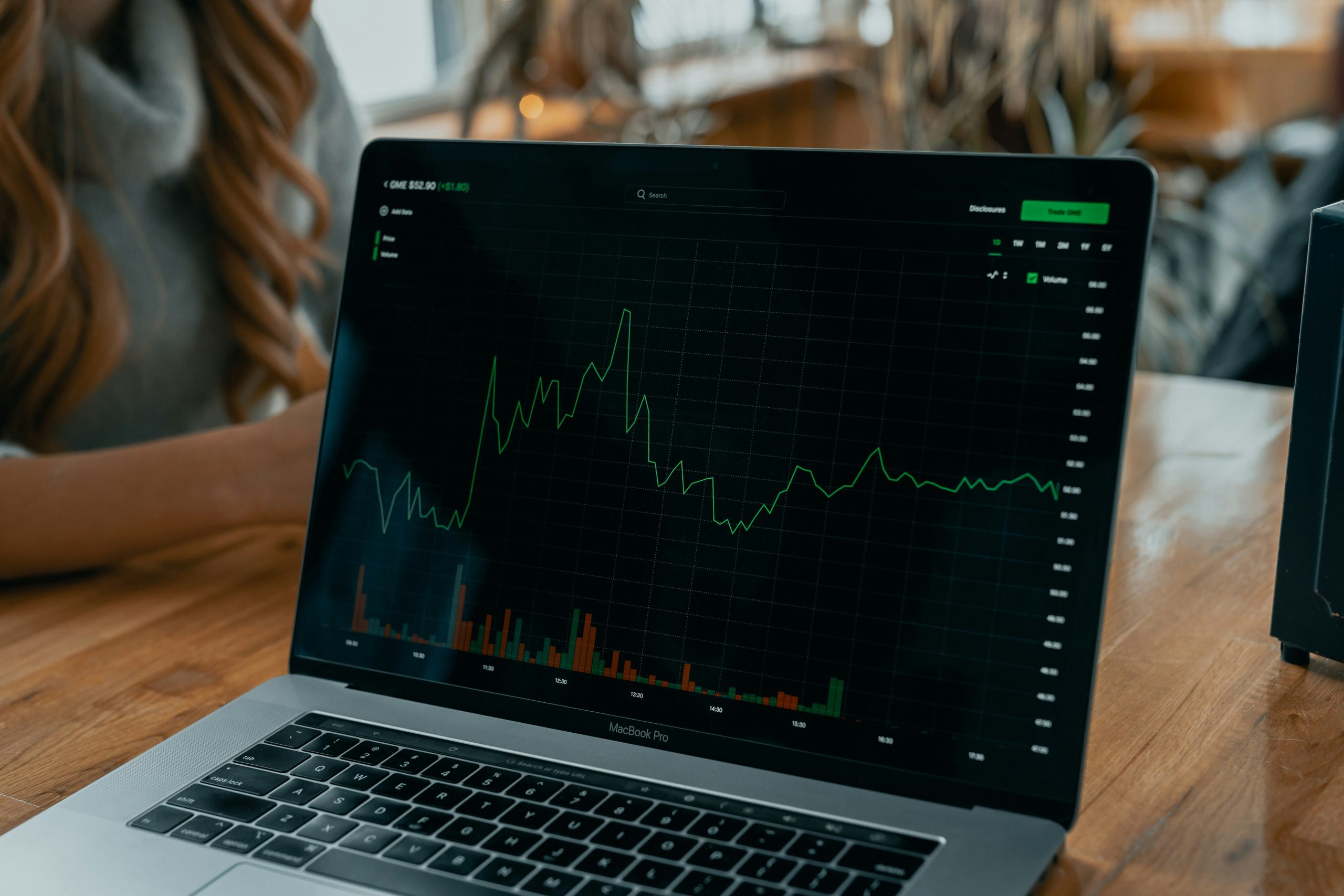

Investing in the foreign exchange (forex) market has become increasingly popular among individuals looking to grow their wealth. Unlike traditional stock markets, the forex market operates 24 hours a day, five days a week, and offers unparalleled liquidity, making it a highly attractive arena for both beginner and experienced investors. However, successful forex investing requires more than just a basic understanding of currency pairs; it demands strategy, discipline, and a clear understanding of risk management.
In this guide, we’ll explore the fundamentals of forex investment and provide actionable strategies to help you start your journey toward financial growth.
Understanding the Forex Market
The forex market is where currencies are bought and sold against each other. Unlike stocks, which represent shares in a company, currencies are traded in pairs. For example, the EUR/USD pair represents the euro versus the U.S. dollar. When you trade forex, you are essentially speculating on whether one currency will increase or decrease in value relative to another.
The market is influenced by various factors, including economic data, geopolitical events, interest rates, and central bank policies. These factors create fluctuations in currency prices, offering opportunities for investors to profit. Understanding these influences is critical to making informed decisions.
Key Terms Every Forex Investor Should Know
Before diving into trading, it’s essential to familiarize yourself with key forex terms:
-
Pip: A pip is the smallest price move in a currency pair, typically measured in the fourth decimal place.
-
Leverage: Leverage allows traders to control larger positions than their actual investment. While it can amplify gains, it also increases potential losses.
-
Spread: The spread is the difference between the buying (ask) and selling (bid) price of a currency pair. It represents the cost of trading.
-
Lot: A lot is a standardized unit of currency trading. Standard lots, mini lots, and micro lots allow traders to adjust the size of their trades according to their risk tolerance.
Benefits of Forex Investing
Forex trading offers several unique advantages:
-
High Liquidity: With trillions of dollars exchanged daily, the forex market is one of the most liquid markets in the world. This liquidity ensures smooth execution of trades and less price manipulation.
-
24-Hour Market: Forex operates continuously from Monday morning in Asia to Friday evening in New York. This allows investors to trade at any time, accommodating different schedules and time zones.
-
Potential for High Returns: Properly leveraged trades and effective strategies can generate significant returns, even with relatively small initial investments.
-
Diverse Trading Opportunities: The vast array of currency pairs and global market conditions provides ample opportunities for profit.
Risks Involved in Forex Trading
While forex investing offers high potential returns, it is also inherently risky. Price volatility can lead to significant losses if trades are not carefully managed. Leverage, in particular, can magnify losses just as easily as profits. Moreover, emotional decision-making can result in poor trading outcomes. Therefore, it’s crucial to approach forex trading with a well-thought-out strategy and disciplined mindset.
Getting Started with Forex Investing
-
Educate Yourself: Knowledge is the foundation of successful trading. Start by learning about currency pairs, trading platforms, technical analysis, and fundamental analysis. Free resources and practice accounts offered by brokers can help you build confidence without risking real money.
-
Choose the Right Broker: Selecting a reputable forex broker is crucial. Look for brokers with strong regulatory compliance, transparent fees, and reliable trading platforms. Your broker will be your partner in navigating the forex market.
-
Develop a Trading Plan: A well-defined trading plan includes your investment goals, risk tolerance, preferred trading strategies, and criteria for entering and exiting trades. A plan keeps your decisions disciplined and reduces impulsive actions driven by emotion.
-
Start Small: Begin with a manageable investment amount. Focus on learning and refining your strategy before scaling up. Using micro or mini lots can help you trade without exposing yourself to excessive risk.
Popular Forex Trading Strategies
Several strategies are commonly used by forex traders. Each has its own level of risk and requires different levels of commitment:
-
Day Trading: Day traders open and close positions within a single trading day. This strategy requires active monitoring of the market and quick decision-making.
-
Swing Trading: Swing traders aim to profit from medium-term price movements, holding positions for several days or weeks.
-
Trend Trading: This strategy involves identifying long-term market trends and trading in the direction of the trend.
-
Scalping: Scalpers execute multiple trades over short periods, aiming to capture small price changes repeatedly.
Choosing a strategy that aligns with your personality, schedule, and risk tolerance is key to long-term success.
Risk Management in Forex
Risk management is arguably the most important aspect of forex investing. Effective strategies include:
-
Setting Stop-Loss Orders: Stop-loss orders automatically close a trade when the market reaches a specific price, limiting potential losses.
-
Using Proper Position Sizing: Adjusting the size of your trades according to your risk tolerance helps prevent catastrophic losses.
-
Diversifying Trades: Avoid putting all your funds into a single currency pair. Diversifying reduces overall portfolio risk.
-
Maintaining Discipline: Avoid overtrading and emotional decision-making. Following your trading plan consistently increases the chances of success.
Tools and Resources for Forex Investors
Modern technology provides traders with a variety of tools to make informed decisions:
-
Trading Platforms: Platforms like MetaTrader 4 or 5 offer advanced charting tools, automated trading options, and real-time data.
-
Economic Calendars: Stay informed about global economic events, such as interest rate changes or employment reports, which can affect currency prices.
-
Technical Analysis Tools: Indicators, trend lines, and chart patterns help predict future price movements.
Building Long-Term Wealth Through Forex
While forex trading can provide substantial short-term gains, treating it as a long-term investment approach is more sustainable. Consistently following a disciplined strategy, continuously learning, and adapting to market conditions can turn forex investing into a reliable source of wealth growth.
It’s important to note that forex investing is not a guaranteed way to get rich quickly. Success depends on education, discipline, risk management, and patience. Treating it as a serious financial endeavor rather than a gamble will increase your chances of long-term profitability.
Conclusion
Forex investment offers exciting opportunities for those looking to diversify their portfolio and grow wealth through currency trading. Understanding the market, developing a robust trading strategy, and implementing disciplined risk management are key steps toward achieving success. By educating yourself, starting small, and approaching trading with patience, you can navigate the complexities of the forex market and work toward long-term financial growth.
Investing in forex requires both skill and diligence, but for those willing to learn and stay disciplined, it can be a rewarding journey that transforms how you approach wealth creation.
