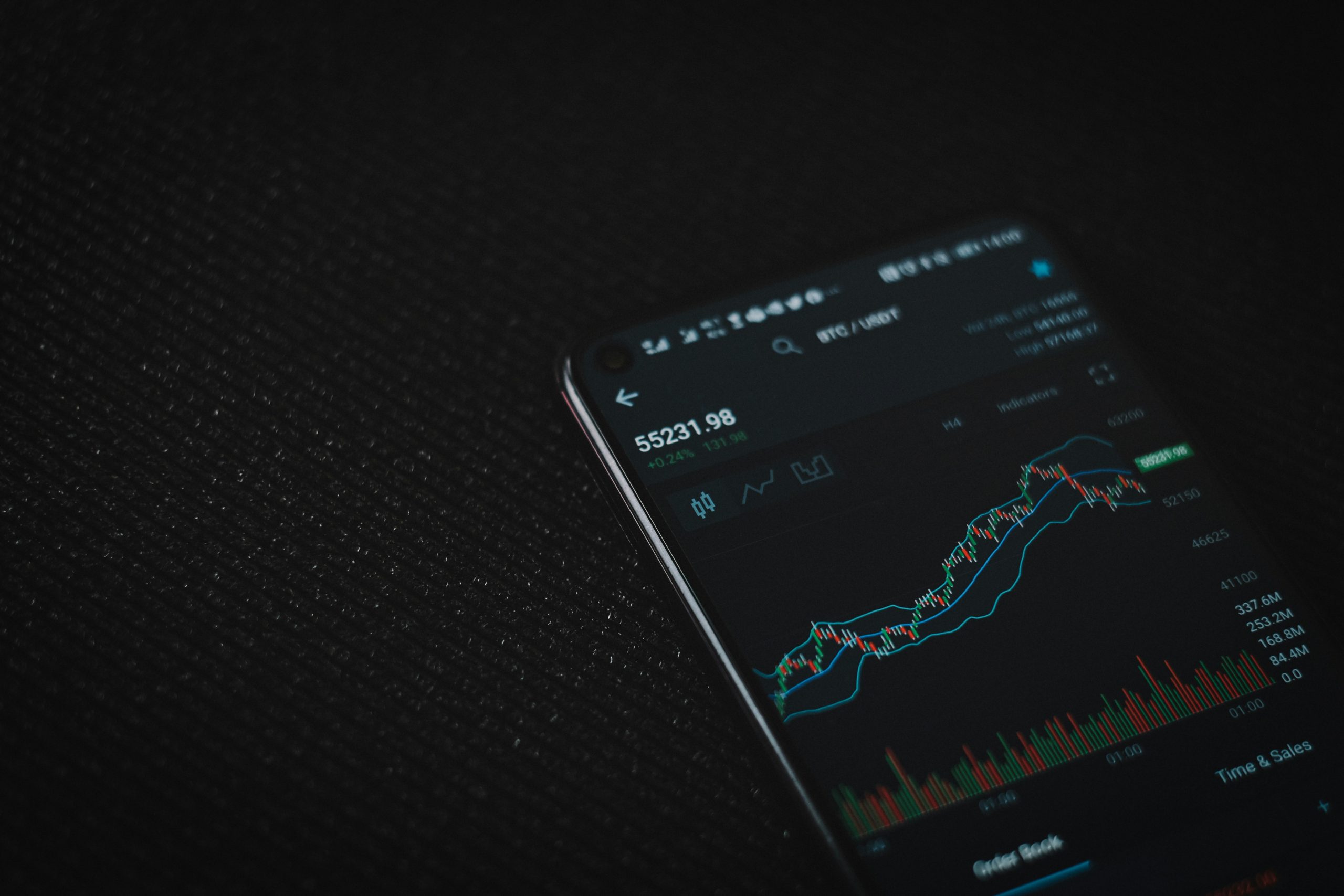

The foreign exchange market, commonly known as Forex or FX, is the largest financial market in the world, boasting a daily trading volume exceeding $6 trillion. Unlike stock markets, Forex operates 24 hours a day, five days a week, offering unparalleled liquidity and accessibility for traders globally. For investors seeking opportunities in this dynamic market, understanding effective strategies is critical to both minimizing risk and maximizing returns. This article explores practical approaches and insights for mastering the Forex market through smart investing.
Understanding Forex Trading
Before diving into strategies, it is essential to understand how Forex trading works. Forex involves buying one currency while simultaneously selling another, with currencies traded in pairs, such as EUR/USD (Euro/US Dollar) or GBP/JPY (British Pound/Japanese Yen). The goal is to predict the direction in which a currency pair’s value will move and capitalize on that movement.
Key participants in Forex include central banks, financial institutions, corporations, and individual retail traders. Each has varying levels of influence on currency prices, but even small traders can benefit by using the right strategies, discipline, and risk management techniques.
Start with a Solid Foundation
-
Education is Essential
Forex trading is not a game of chance. Understanding market dynamics, economic indicators, and trading platforms is fundamental. Beginners should start with educational resources such as tutorials, webinars, and simulated trading environments to gain practical experience without risking real money. -
Choose the Right Broker
Selecting a reliable broker is crucial. Consider factors such as regulatory compliance, transaction costs, spreads, leverage options, and trading platform usability. A trustworthy broker ensures that your funds are safe and that you have access to accurate pricing and timely execution of trades. -
Develop a Trading Plan
A trading plan acts as a roadmap for decision-making. Define your financial goals, risk tolerance, preferred trading style, and criteria for entering and exiting trades. Consistently following a plan reduces emotional decision-making, which is one of the leading causes of trading losses.
Fundamental Strategies for Smart Investing
-
Trend Following
Trend-following strategies involve analyzing market charts to identify upward or downward trends and making trades in the direction of these trends. Traders often use moving averages, trend lines, and momentum indicators to confirm trends before entering positions. While trends can change unexpectedly, staying with the prevailing market momentum can provide higher probability trading opportunities. -
Breakout Trading
Breakout trading focuses on identifying key support and resistance levels. When the price breaks through these levels, it often signals the start of a new trend. Breakout traders enter positions just as the price surpasses the defined boundaries, aiming to capture significant movements early. Proper risk management is essential, as false breakouts can lead to losses. -
Range Trading
Range trading is suitable for markets that move sideways rather than trending strongly. Traders identify support and resistance levels within a range and buy at the lower boundary while selling near the upper boundary. This strategy relies on the assumption that the price will continue to oscillate within the established range until a breakout occurs. -
Carry Trade
Carry trade strategies involve taking advantage of interest rate differentials between currencies. Traders borrow in a currency with a low interest rate and invest in one with a higher rate, profiting from the difference. While potentially lucrative, carry trades carry risks, particularly during times of market volatility when interest rates or exchange rates can change rapidly.
Technical Tools and Analysis
Successful Forex trading relies on both technical and fundamental analysis. Technical analysis involves studying price charts and historical patterns to predict future movements. Key tools include:
-
Moving Averages: Smooth out price data to identify trends over time.
-
Relative Strength Index (RSI): Measures the speed and change of price movements to identify overbought or oversold conditions.
-
Bollinger Bands: Show price volatility and potential reversal points.
-
Candlestick Patterns: Provide visual cues about market sentiment and potential price reversals.
While technical analysis is invaluable for timing trades, it is most effective when combined with fundamental insights such as economic reports, interest rate decisions, and geopolitical events.
Risk Management: Protecting Your Capital
One of the most overlooked aspects of Forex trading is risk management. Without proper control over potential losses, even the most successful strategy can fail. Key principles include:
-
Set Stop-Loss Orders
A stop-loss order automatically closes a trade at a predetermined price to prevent excessive losses. Setting realistic stop-loss levels ensures that no single trade can significantly harm your portfolio. -
Use Proper Position Sizing
Avoid risking too much on a single trade. Many professional traders risk only 1–2% of their trading capital per position. This approach ensures that a string of losses does not deplete your account. -
Diversify Trading Pairs
Relying on a single currency pair can be risky. Trading multiple pairs spreads exposure and reduces the impact of adverse movements in any one currency. -
Control Leverage
Leverage amplifies both profits and losses. While tempting, excessive leverage can quickly erode capital. Traders should use leverage cautiously and in proportion to their risk tolerance.
Psychological Discipline
Forex trading is as much a psychological challenge as it is a technical one. Emotional control is crucial:
-
Avoid Overtrading: Entering too many trades based on impulse can lead to significant losses.
-
Stick to Your Plan: Emotional reactions to market fluctuations often result in abandoning carefully crafted strategies.
-
Accept Losses: Losses are inevitable. The key is to keep them manageable and learn from mistakes without letting emotions dictate future trades.
Continuous Improvement
Mastering the Forex market requires ongoing learning and adaptation. Markets evolve, and so should trading strategies. Keeping a trading journal, reviewing past trades, and studying market behavior help refine approaches and improve decision-making over time.
Additionally, staying informed about global economic trends, central bank policies, and geopolitical developments enables traders to anticipate potential market shifts. Combining this knowledge with disciplined strategies increases the likelihood of long-term success.
Conclusion
The Forex market offers immense opportunities for investors willing to approach it strategically and patiently. By building a solid foundation, applying fundamental and technical strategies, managing risk effectively, and maintaining psychological discipline, traders can enhance their chances of achieving consistent profits.
Smart investing in Forex is not about chasing quick wins; it is about understanding market mechanics, making informed decisions, and continuously improving through experience and learning. With dedication and the right approach, mastering the Forex market is an achievable goal that can lead to financial growth and long-term success.
